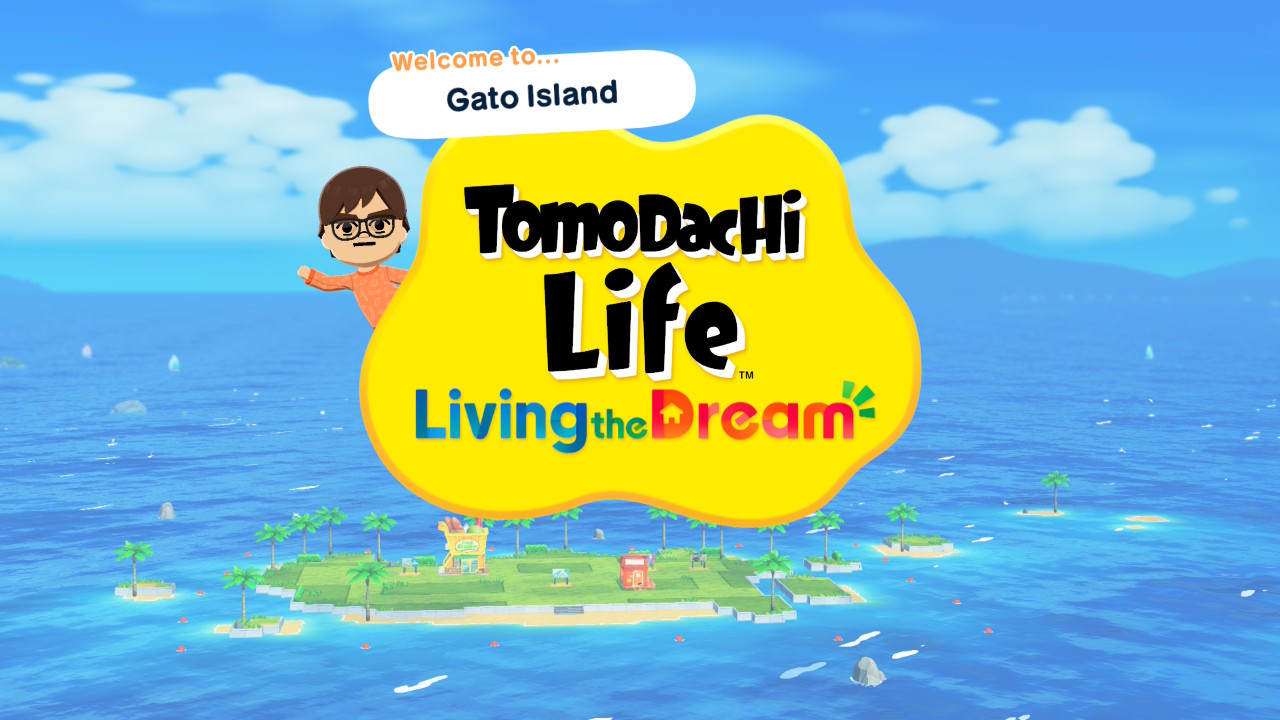
The Enduring Appeal of Tomodachi Life and Its Anticipated Sequel
For nearly a decade, Nintendo fans have been holding their breath, eagerly awaiting any whisper of Tomodachi Life 2. The original Tomodachi Life, released in 2014 for the Nintendo 3DS, wasn't just a game; it was a phenomenon. A unique blend of social simulation and bizarre humor, it captivated players with its quirky charm and endless unpredictable moments starring their very own customizable Mii avatars. Now, as the gaming landscape continues to evolve, the demand for a sequel remains as strong as ever, highlighting just how deeply this peculiar title resonated with a dedicated fanbase.
At its core, Tomodachi Life falls under the umbrella of life simulation games, but it carves out its own niche as a distinctive social simulation. Unlike more structured games, its magic lies in observing the daily lives, eccentric interactions, and unexpected relationships that blossom (or fizzle) between your Miis on a remote island. These aren't just characters; they're digital representations of friends, family, celebrities, or wholly imagined personalities, each imbued with a unique voice and temperament that players meticulously craft. This level of personalization, coupled with the game's spontaneous events, fostered a deeply personal and often hilarious experience that players yearn to revisit in a new iteration.
What Made the Original So Bizarrely Brilliant?
Tomodachi Life wasn't afraid to be weird, and that's precisely where its brilliance shone. While games like The Sims offer detailed control over characters' lives, Tomodachi Life thrived on relinquishing much of that control, instead presenting players with a vibrant, living diorama to observe and occasionally nudge. Miis would fall in love, fight over trivial matters, sing in bizarre rock bands, engage in rap battles, and even have incredibly surreal dreams – all often without direct player intervention. The humor was often absurd, unexpected, and truly laugh-out-loud funny.
Consider the daily rhythm: you'd wake up, check on your islanders, feed them their favorite (or least favorite) foods, solve their petty squabbles, and witness their dramatic confessions of love. The game used the Nintendo 3DS's built-in clock, adhering to a "real-time" schedule that made the island feel like a genuine, continuous world. This persistent nature, combined with the game's uncanny ability to generate genuinely surprising scenarios, created an addictive loop that kept players coming back day after day. It wasn't about winning; it was about the journey, the discovery, and the sheer delight in the unexpected.
The customizable Miis were undeniably the heart of the experience. Players could adjust everything from their appearance and voice to their personality traits, which directly influenced their interactions and dialogue. Seeing a Mii you designed to resemble a serious historical figure suddenly break into a goofy pop song or declare their undying love for a sandwich was part of the unparalleled charm. This unique blend of player creation and unpredictable AI behavior made every playthrough feel fresh and personal.
Tomodachi Life 2: Unpacking Fan Expectations and Potential
Given the beloved status of its predecessor, expectations for Tomodachi Life 2 are understandably high. Fans anticipate that a sequel would largely adhere to the core tenets that made the original so successful: a vibrant island setting, a focus on Miis, and the delightful unpredictability of social interactions. The fundamental appeal of watching your created characters live out their bizarre digital lives would undoubtedly remain the central pillar of the experience.
However, a modern sequel would have a tremendous opportunity to expand and refine the formula. Imagine more expansive islands with diverse environments, offering new locations for Miis to live, work, and play. Enhanced Mii customization could delve deeper into fashion, home decor, or even unique Mii traits that unlock specific storylines. The relationship mechanics could be deepened, introducing more complex friendship and romance arcs, or even family progression beyond just having children. Integrating more robust minigames and activities would add variety, while better management tools could give players more agency without sacrificing the game's charming randomness.
Many fans also hope for improved online features. While the original had basic Mii sharing, imagine a sequel allowing players to visit friends' islands, exchange gifts, or even host joint events with their respective Mii populations. Such additions would significantly enhance the social aspect of the game, fostering a community around its unique brand of simulation. For a deeper dive into what a new installment might offer in terms of player experience, you can explore potential enhancements in Tomodachi Life 2 Gameplay: Miis, Island Life, and Social Simulation.
Why the Wait for a Sequel Persists
Despite the passionate fanbase and clear demand, concrete news about Tomodachi Life 2 has been remarkably scarce since the original's release in 2014. Everything regarding a potential sequel has remained "up in the air," leaving fans to speculate and cling to rumors rather than official announcements. This prolonged silence has only intensified the community's desire, creating a persistent buzz around a game that technically doesn't exist yet.
There are several potential reasons why Nintendo might be taking its time. Firstly, the unique charm of Tomodachi Life lies in its simplicity and specific brand of humor. Evolving that formula without diluting its appeal is a delicate balancing act. Nintendo might be exploring ways to innovate while preserving the core essence that made the original so beloved. Secondly, the Mii ecosystem itself has changed. While Miis were central to the Wii, Wii U, and 3DS eras, their prominence on the Nintendo Switch has been less pronounced, often replaced by player-created characters in games like Animal Crossing: New Horizons. A new Tomodachi Life would likely need to redefine or re-emphasize the role of Miis on the current console generation.
Finally, Nintendo's development pipeline is always full with established franchises and new IPs. Prioritizing projects takes time, and a quirky, niche-yet-popular title like Tomodachi Life might be on a longer development cycle or simply awaiting the right creative vision and market timing. While rumors and speculative release dates, such as those sometimes tied to "2025," occasionally surface, it's crucial to remember that these are not official confirmations. To stay informed about the latest (or lack thereof) on its potential launch, check out Tomodachi Life 2 Release Date: Everything Up in the Air for 2025?
The Future of Tomodachi Life: A Nintendo Switch Dream?
If Tomodachi Life 2 were to finally materialize, the Nintendo Switch console would be an ideal platform. The Switch's hybrid nature—offering both portable and TV play—perfectly suits the game's pick-up-and-play observational style. Imagine checking on your Miis during a commute or enjoying their antics on the big screen with family. The Switch's touchscreen capabilities could enhance interactions, making the act of feeding Miis or solving their problems even more intuitive.
Furthermore, the Switch's graphical capabilities would allow for much more detailed and expressive Miis, alongside richer island environments. We could see Miis with more fluid animations, intricate clothing options, and more dynamic facial expressions that convey their bizarre emotions with greater clarity. The console's social features, such as easy screenshot and video sharing, would also allow players to effortlessly capture and share the most hilarious and heartwarming moments from their islands, further fostering community engagement.
A Switch version of Tomodachi Life 2 could also address limitations of the original, such as the relatively small island population. With increased processing power, a sequel could support a larger number of Miis, leading to even more complex and unpredictable social dynamics. The potential for integrating amiibo functionality, allowing for unique Mii outfits or items, also presents an exciting avenue for expansion. The Switch truly represents the perfect home for a revitalized Tomodachi Life experience, one that could build upon the original's legacy while introducing a host of exciting new features.
Conclusion
The demand for Tomodachi Life 2 is a testament to the original game's unique charm, unforgettable humor, and the deep, personal connection players formed with their Mii avatars. It was a game that dared to be different, creating a social simulation experience that prioritized observation and spontaneous delight over rigid control. While Nintendo has remained tight-lipped, the fervent hope for a sequel continues to burn brightly amongst fans who long to revisit the bizarre, heartwarming, and utterly unpredictable world of their digital doppelgängers. Whether it arrives in 2025 or later, one thing is clear: when (or if) Tomodachi Life 2 finally graces our screens, it will undoubtedly be met with immense excitement, ready to usher in a new era of peculiar island life.